Computational and laboratory projects, grouped by subject area. Research placements, my MRes thesis work and industry work live on the Research Portfolio page.
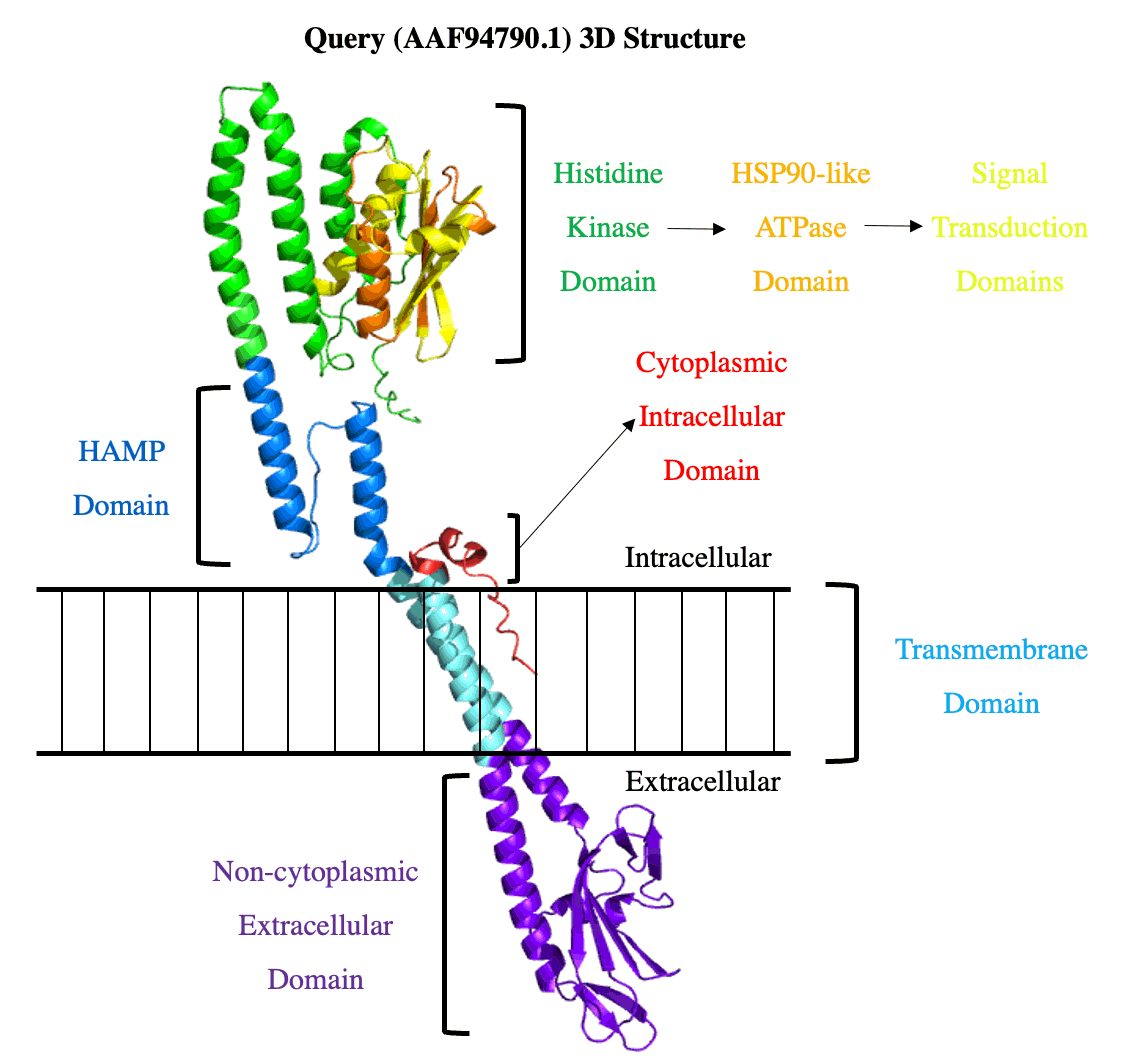
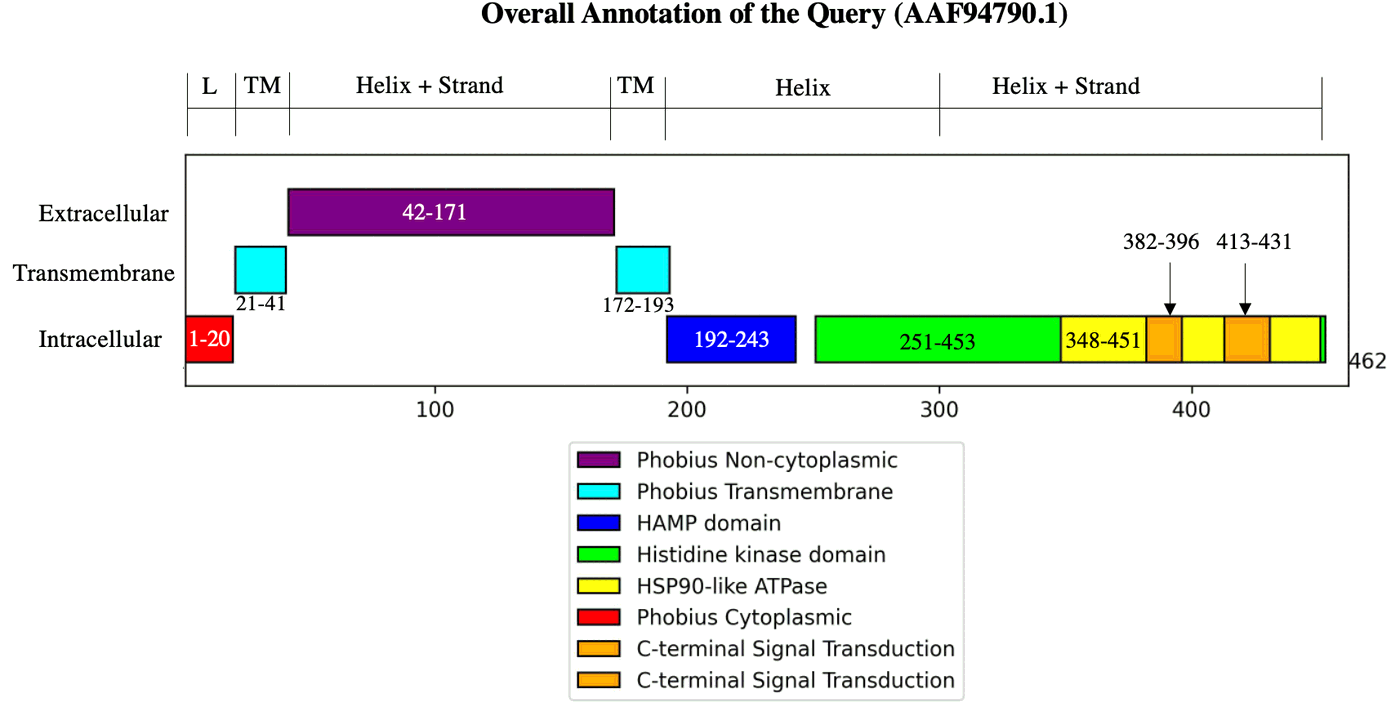
Annotating an unknown 460-residue protein from sequence alone, from transmembrane topology through profile searches and domain databases to a predicted structure, arriving at a bacterial two-component sensor histidine kinase.
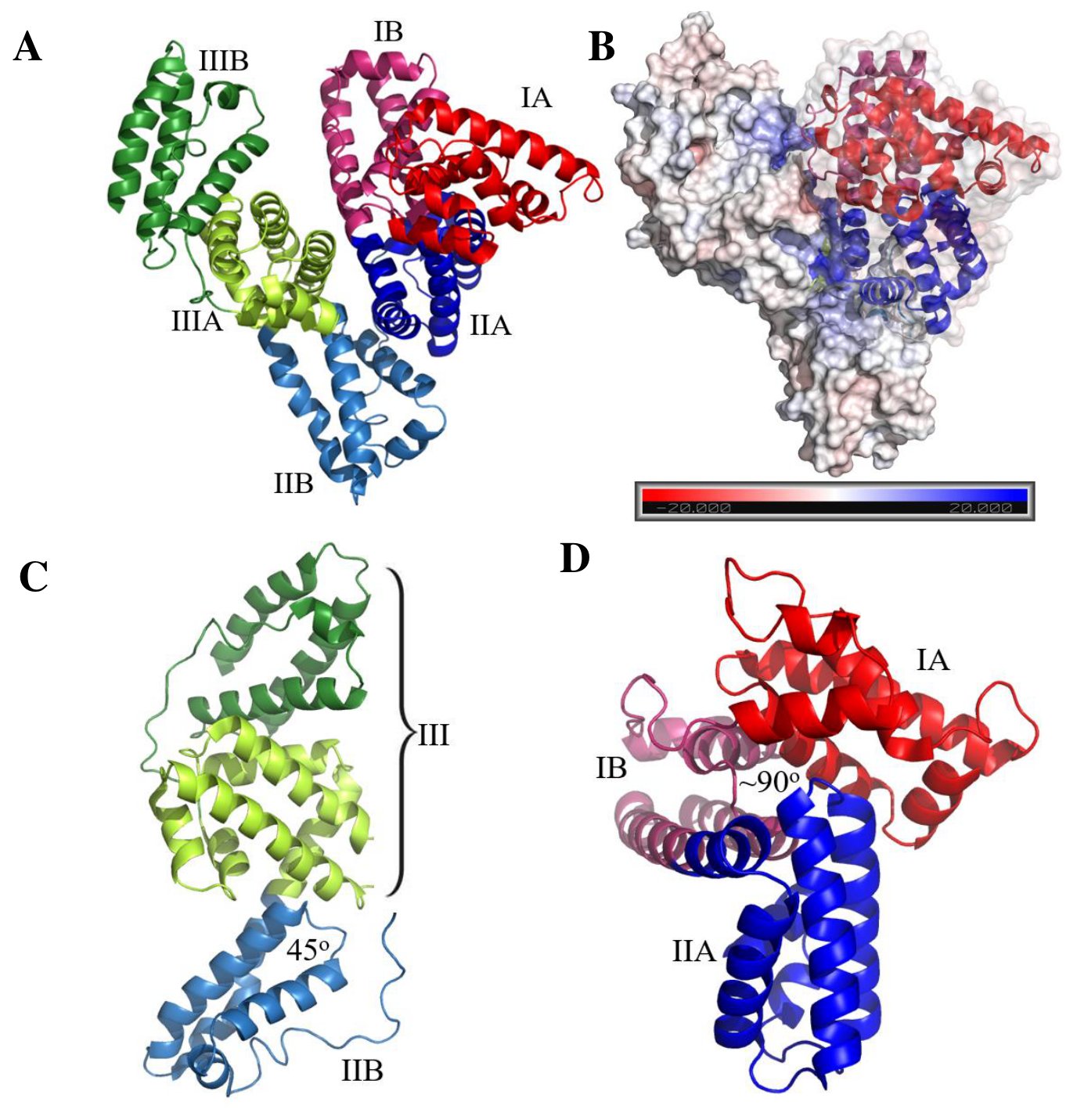
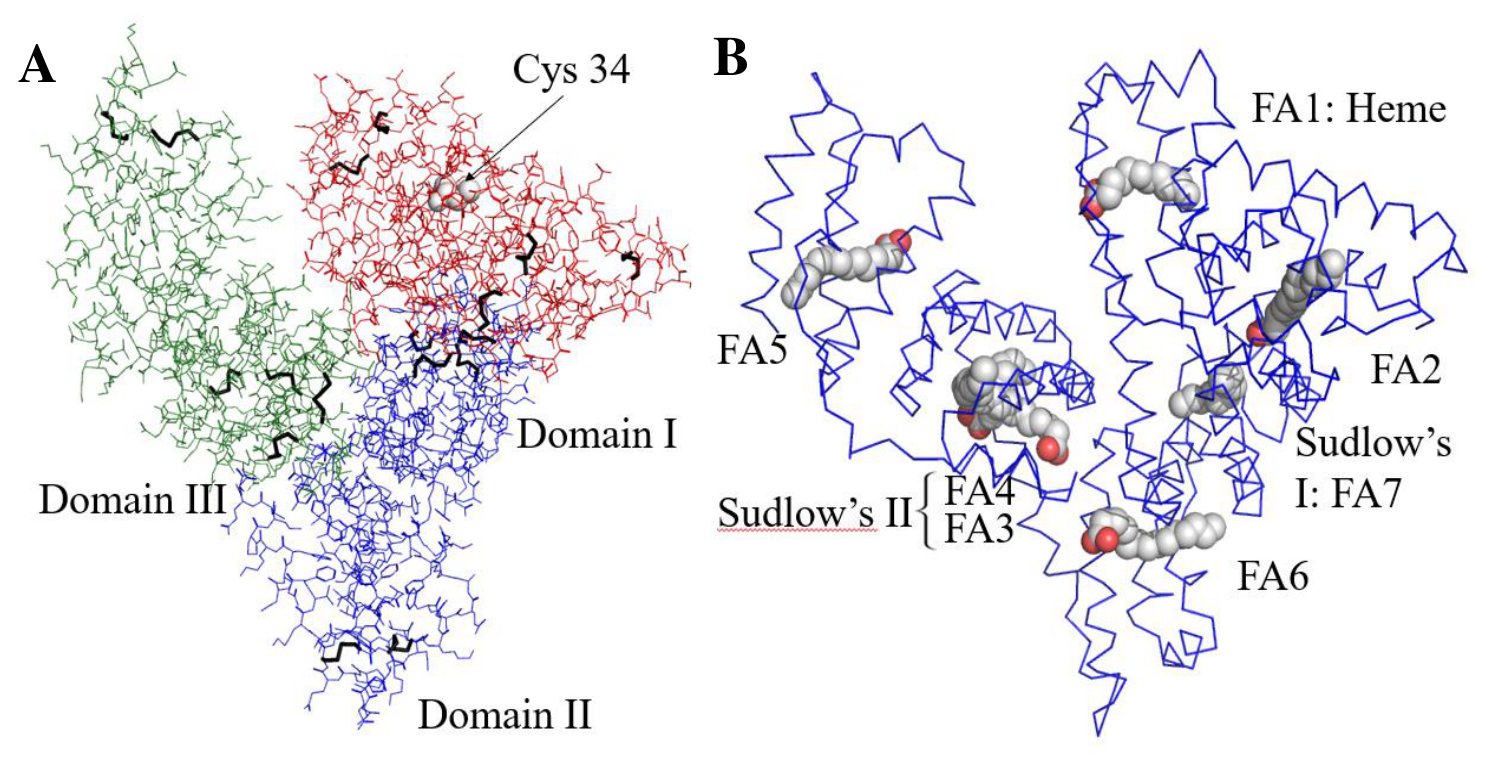
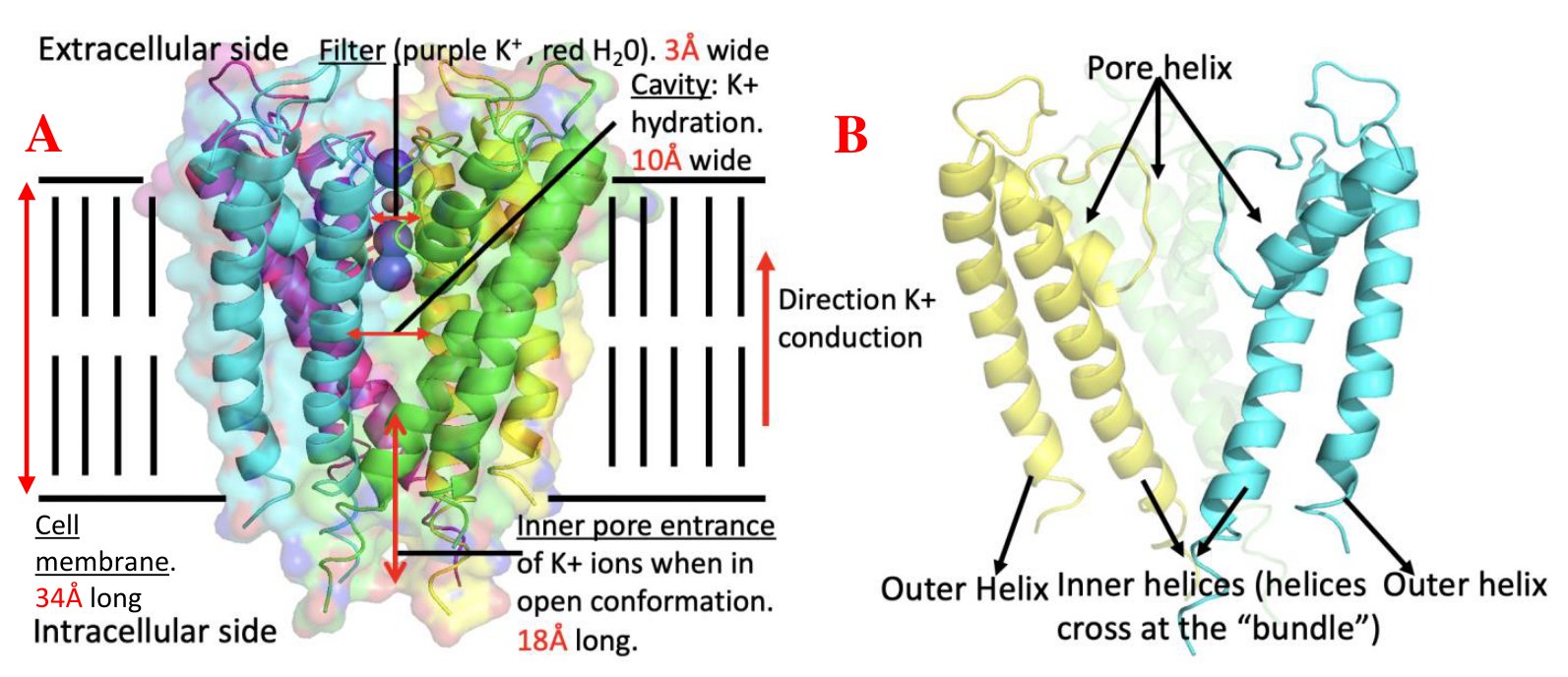
How a protein with three copies of one domain, no beta sheet at all, and a strongly negative surface manages to carry fatty acids, metals, hormones and much of the drug pharmacopoeia.
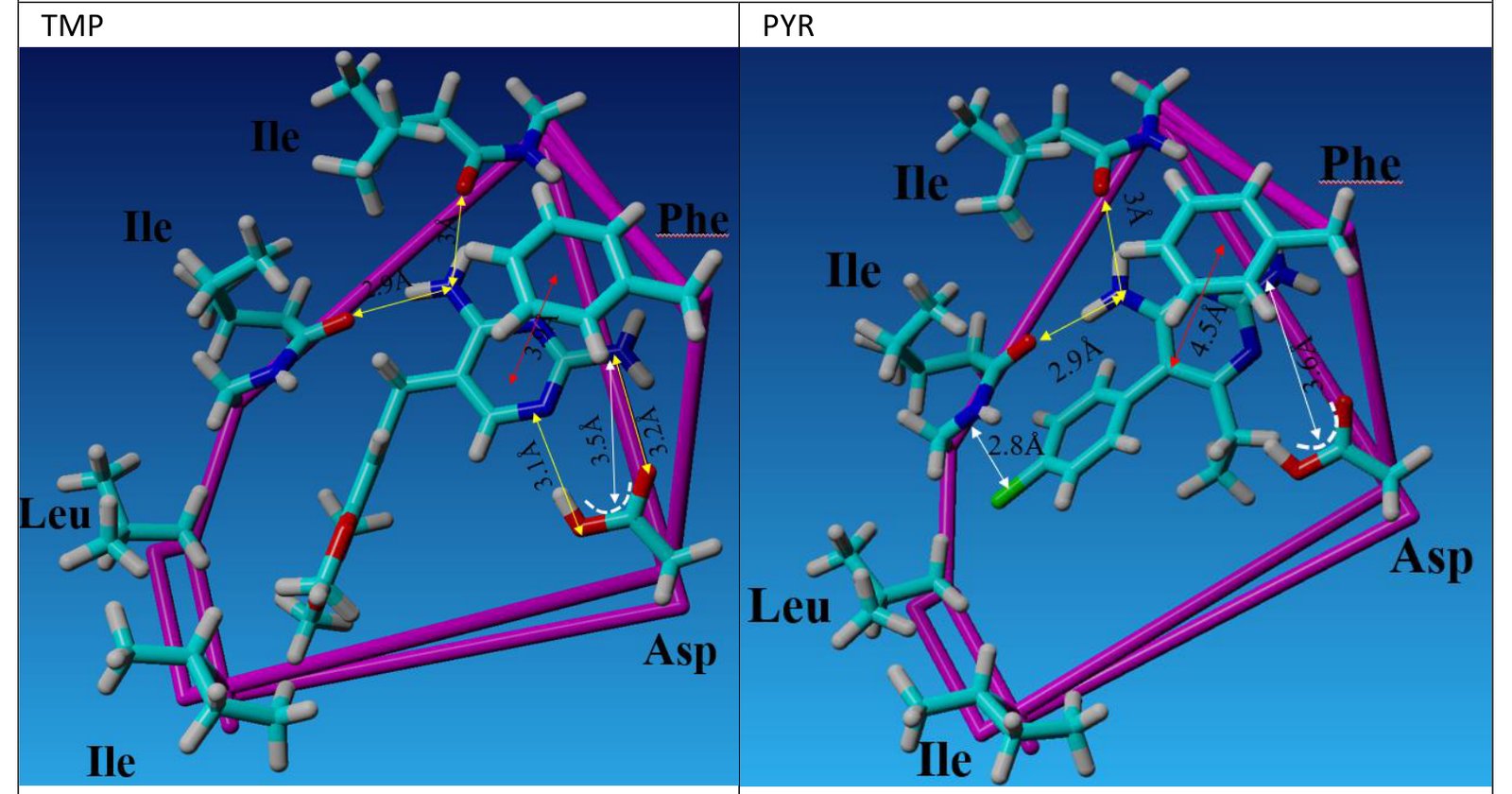
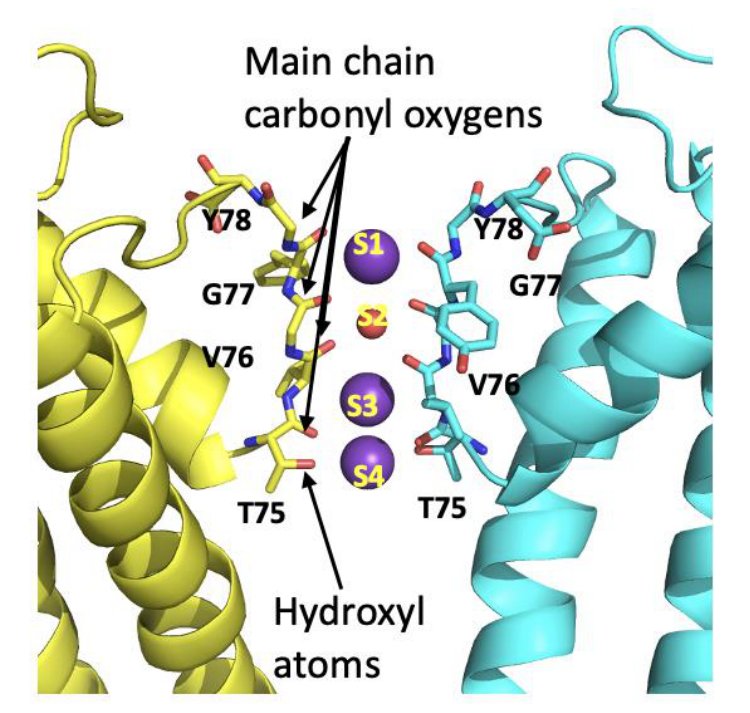
A YASARA practical running from why left-handed helices are rare to manually docking trimethoprim and pyrimethamine into the dihydrofolate reductase active site and counting their contacts.
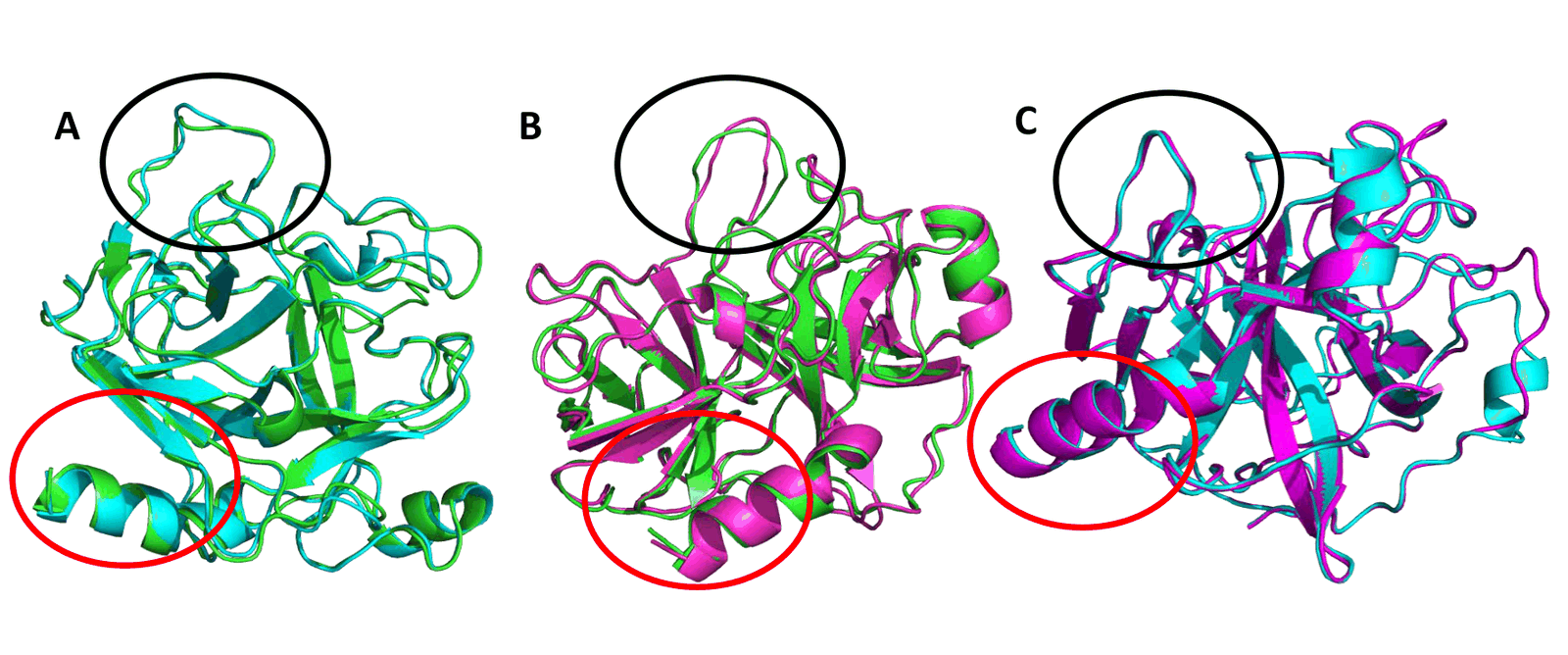
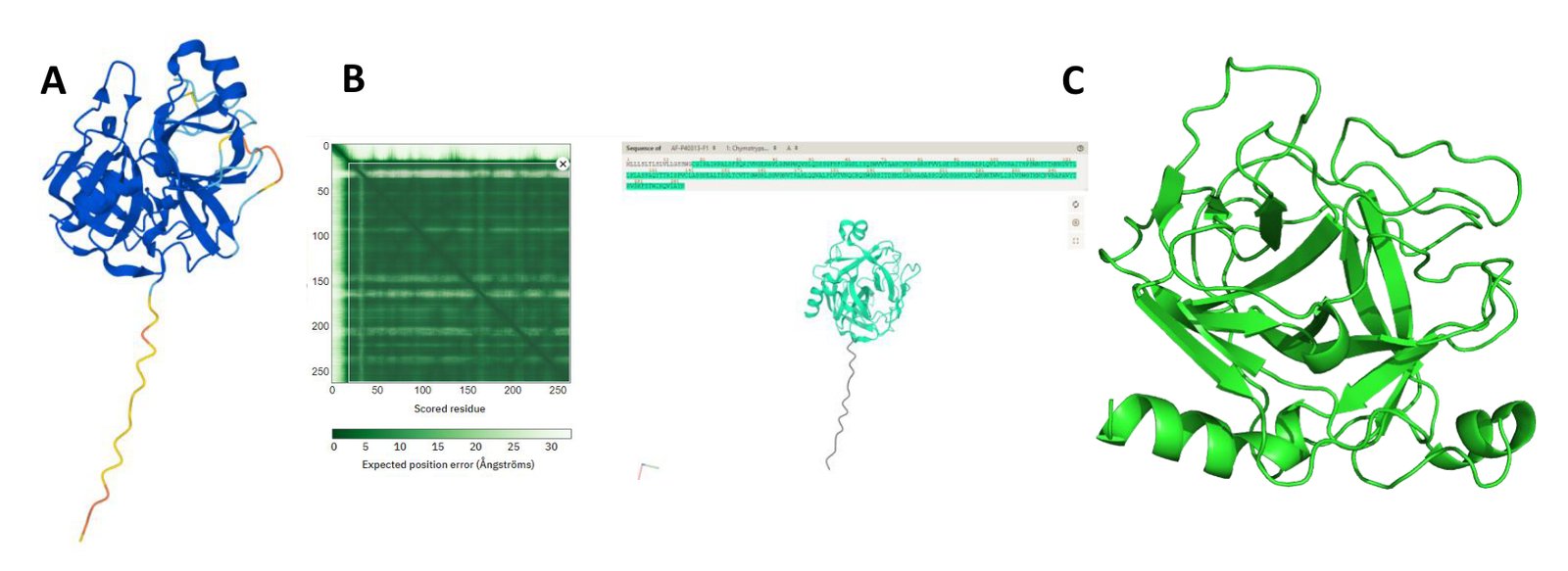
Modelling a protein with no experimental structure three different ways, comparing the models against each other and AlphaFold2, and judging which to trust on stereochemistry rather than appearance.
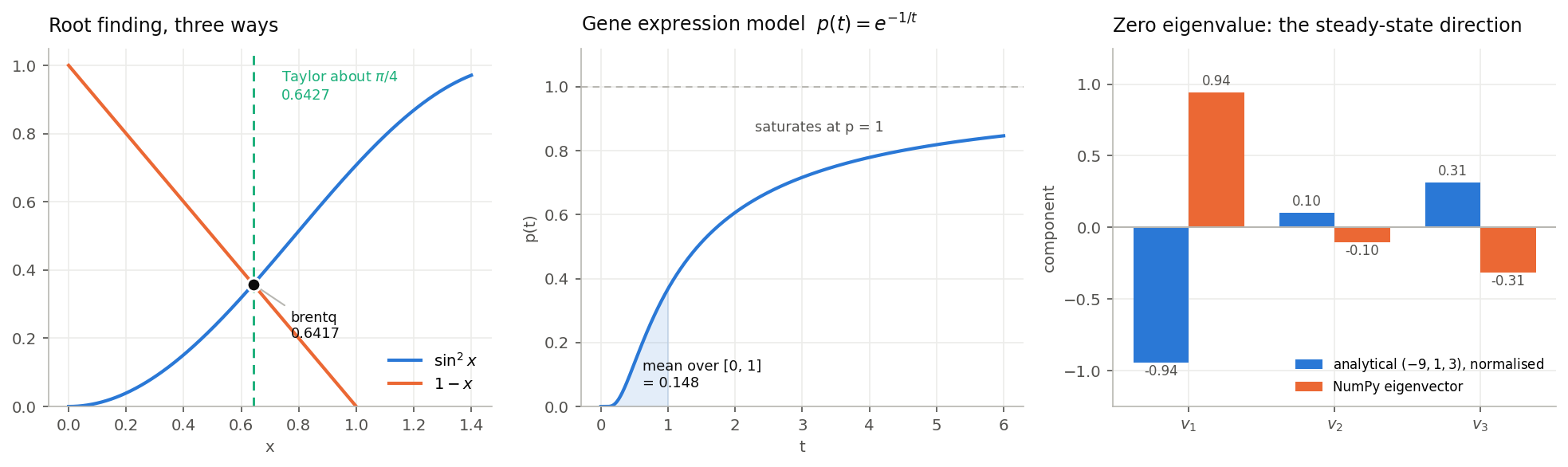
Deriving a saturating model of gene expression analytically and numerically, and reading the dynamics of a three-variable linear system out of its eigenvalues.
Fitting and averaging competing regression models by AIC, then showing with WAIC how badly a model does when it ignores the grouping structure of its own data.
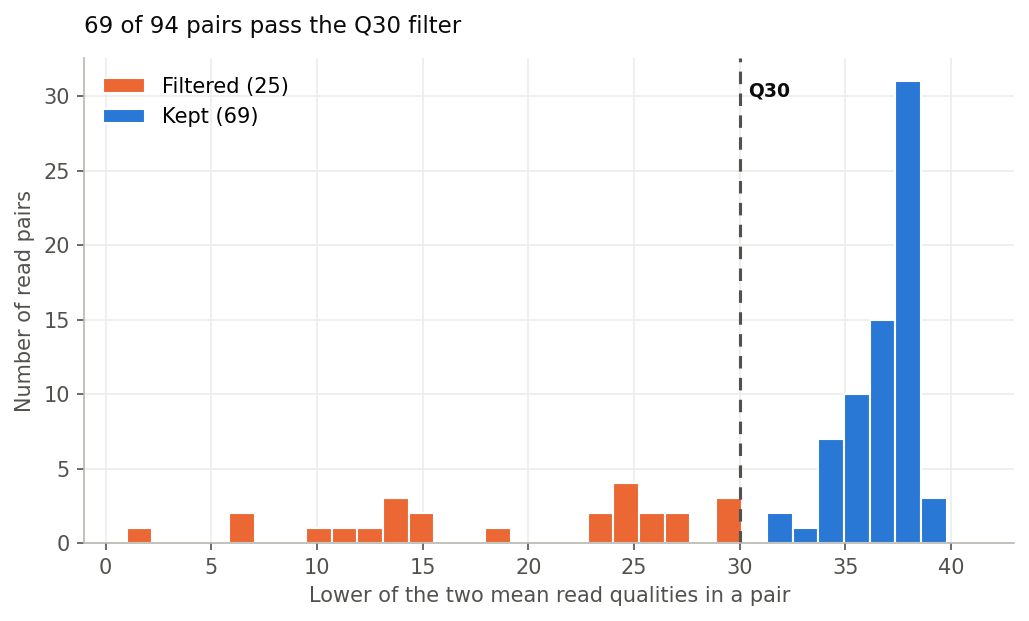
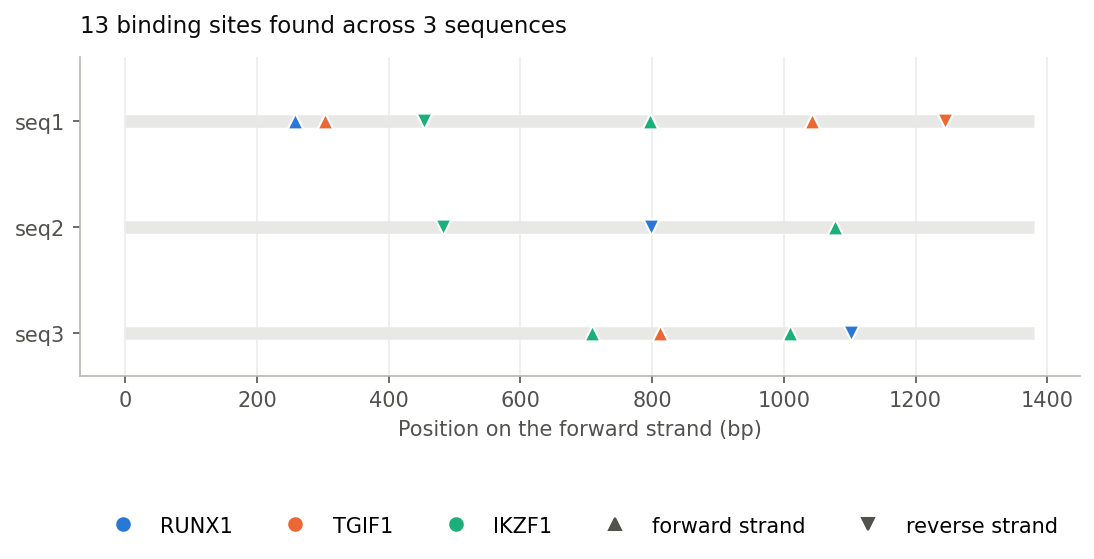
Two sequence-processing tools written in core Python only, with BioPython and PyCogent banned: a paired-end quality filter and an IUPAC motif searcher that reads both strands.
A Python program that builds a library of 100 synthetic promoter sequences with defined core-promoter motifs and randomised transcription factor binding sites, ready for Golden Gate assembly.
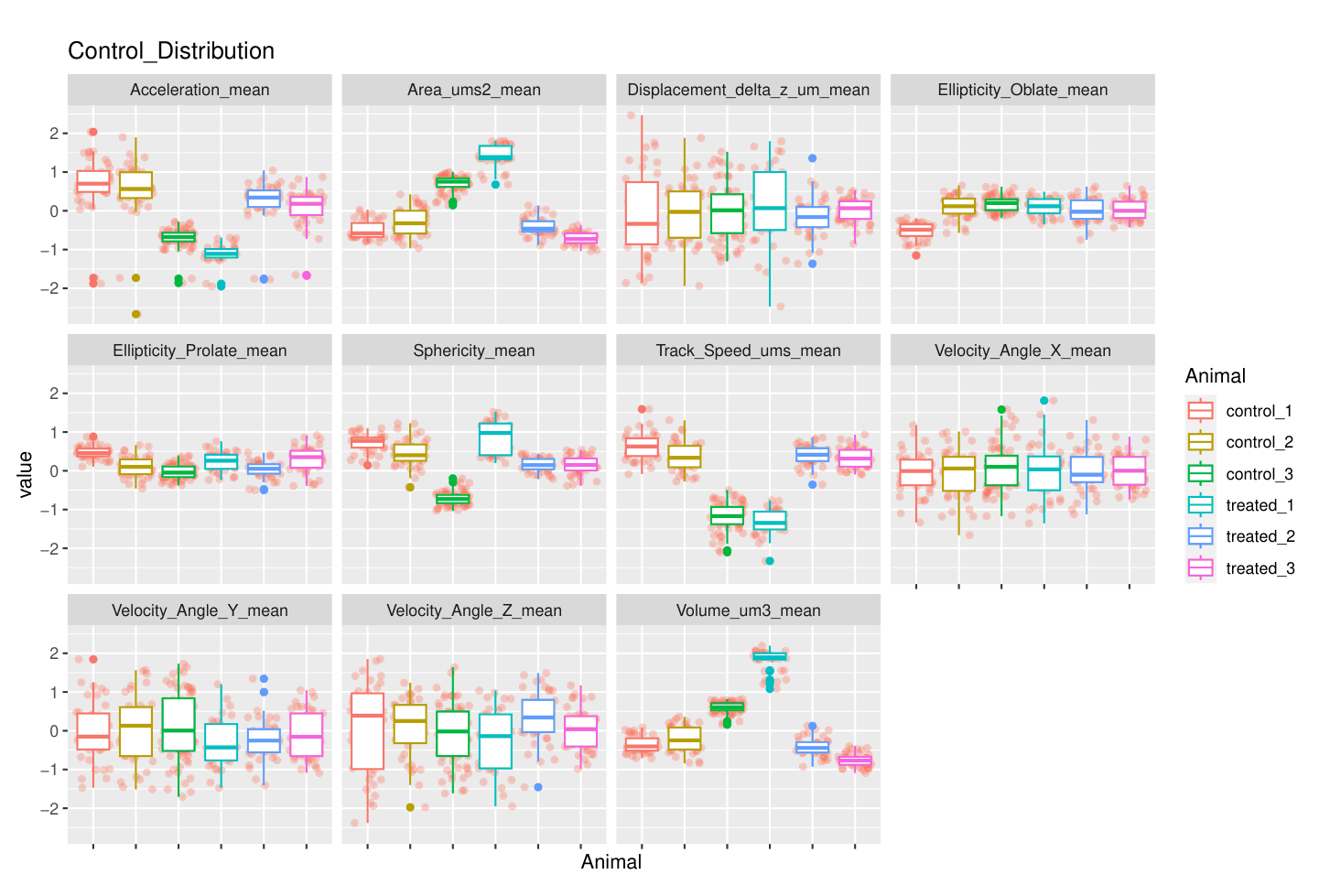
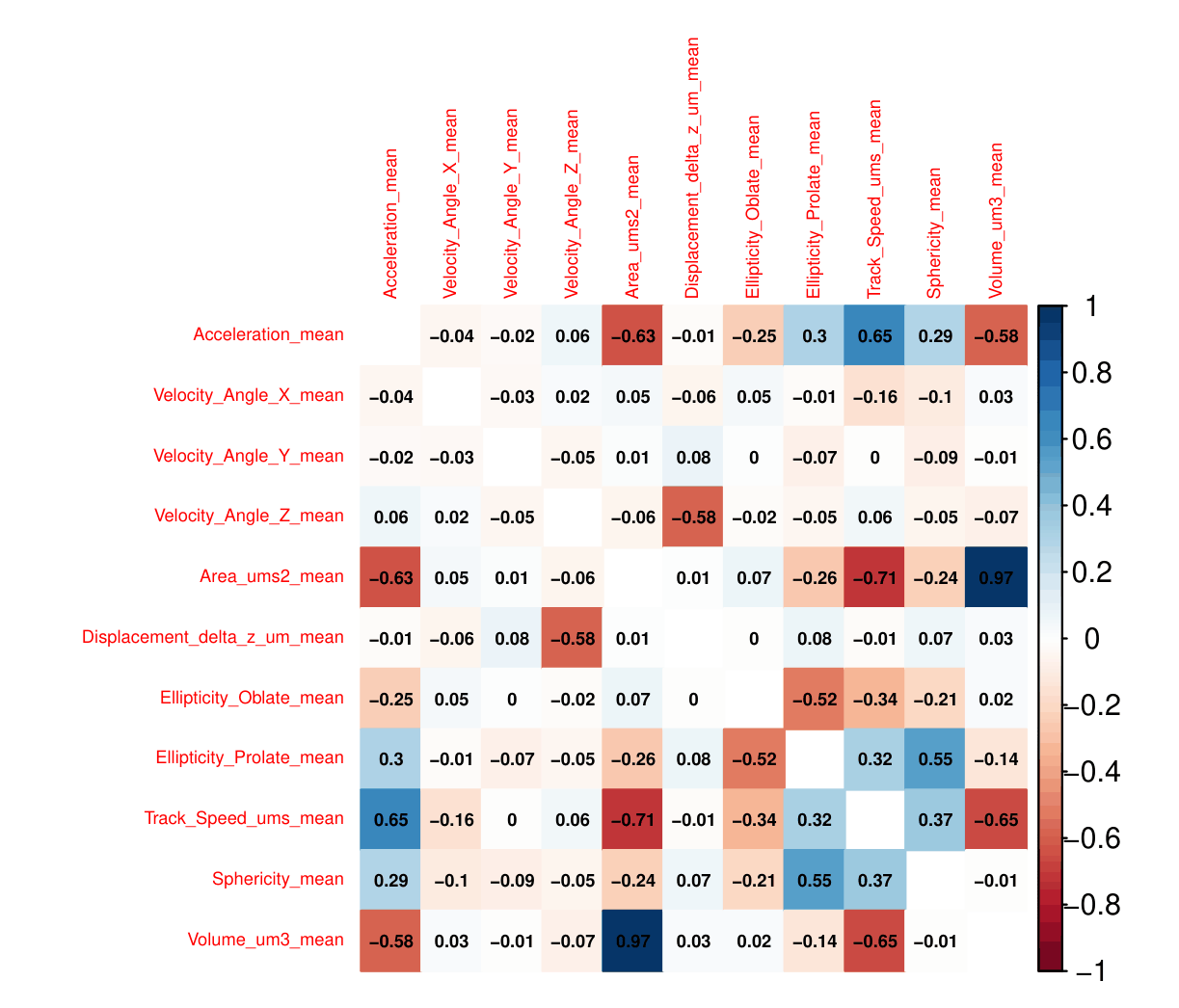
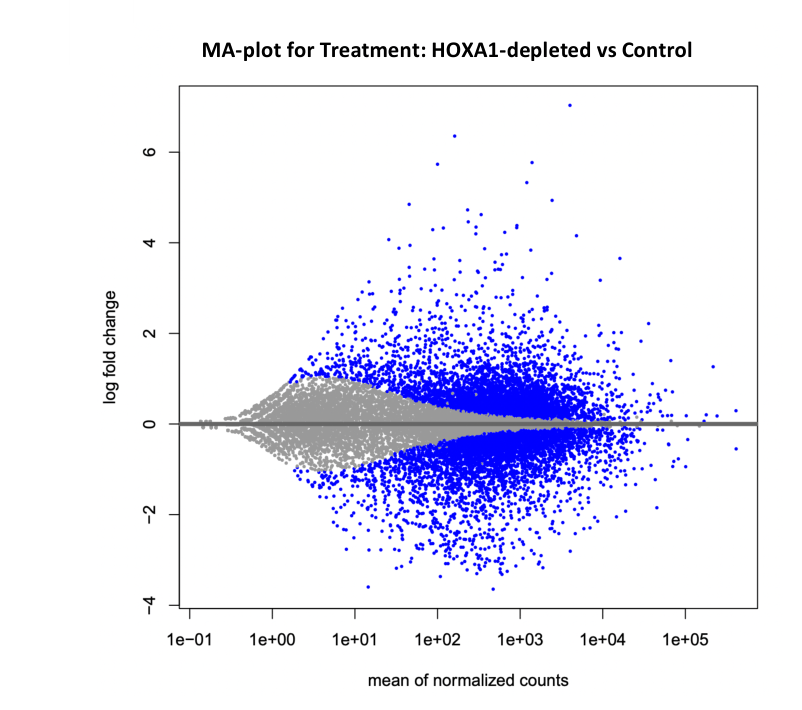
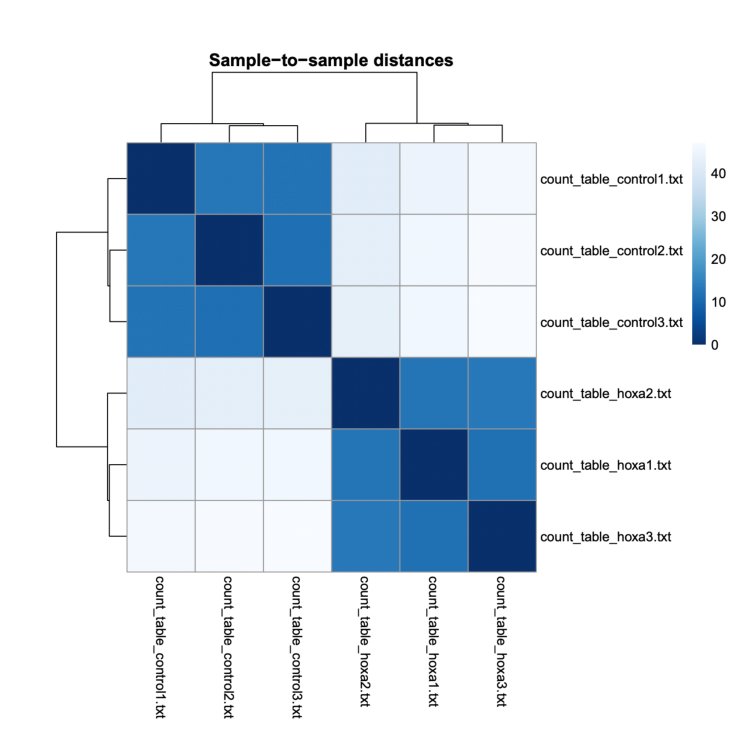
A 51-page reproducible R Markdown analysis: visualising a cell-tracking dataset, testing it properly, and working through a full RNA-seq pipeline from raw reads to gene ontology.
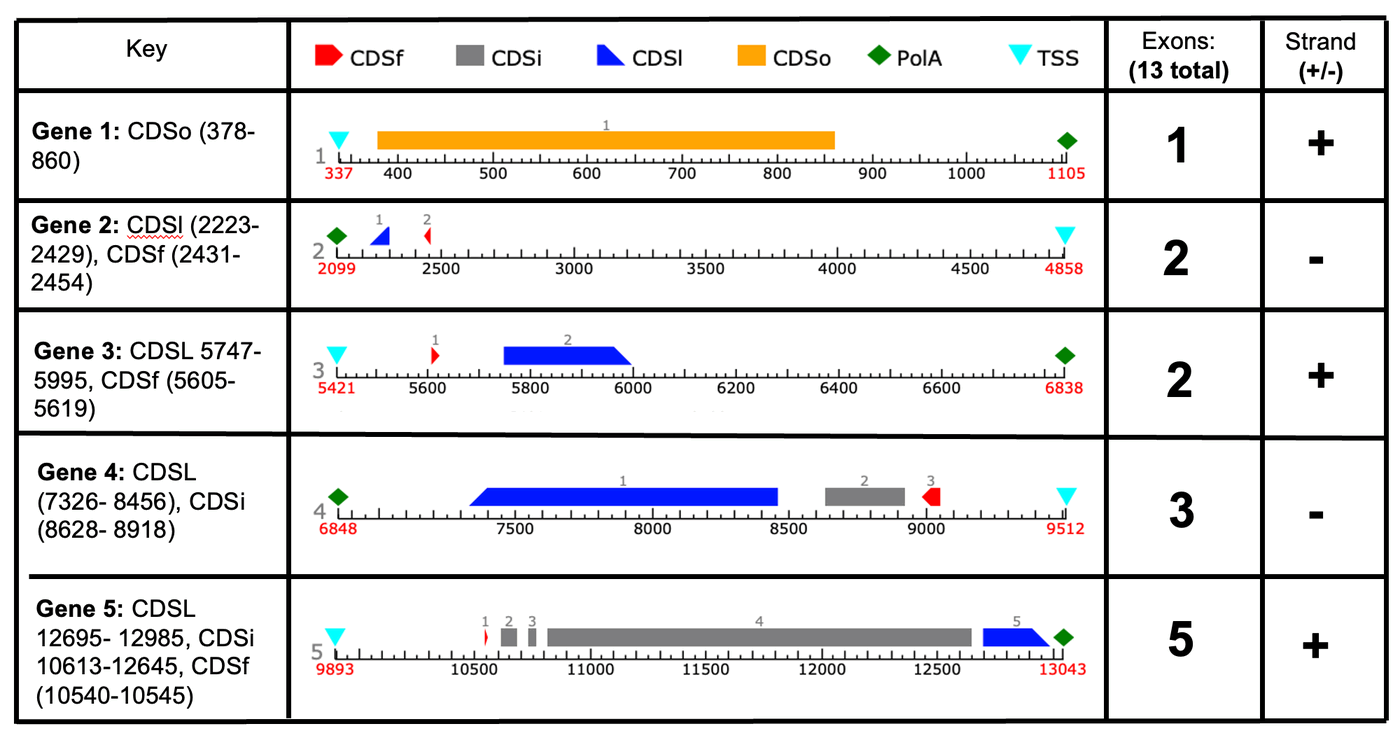
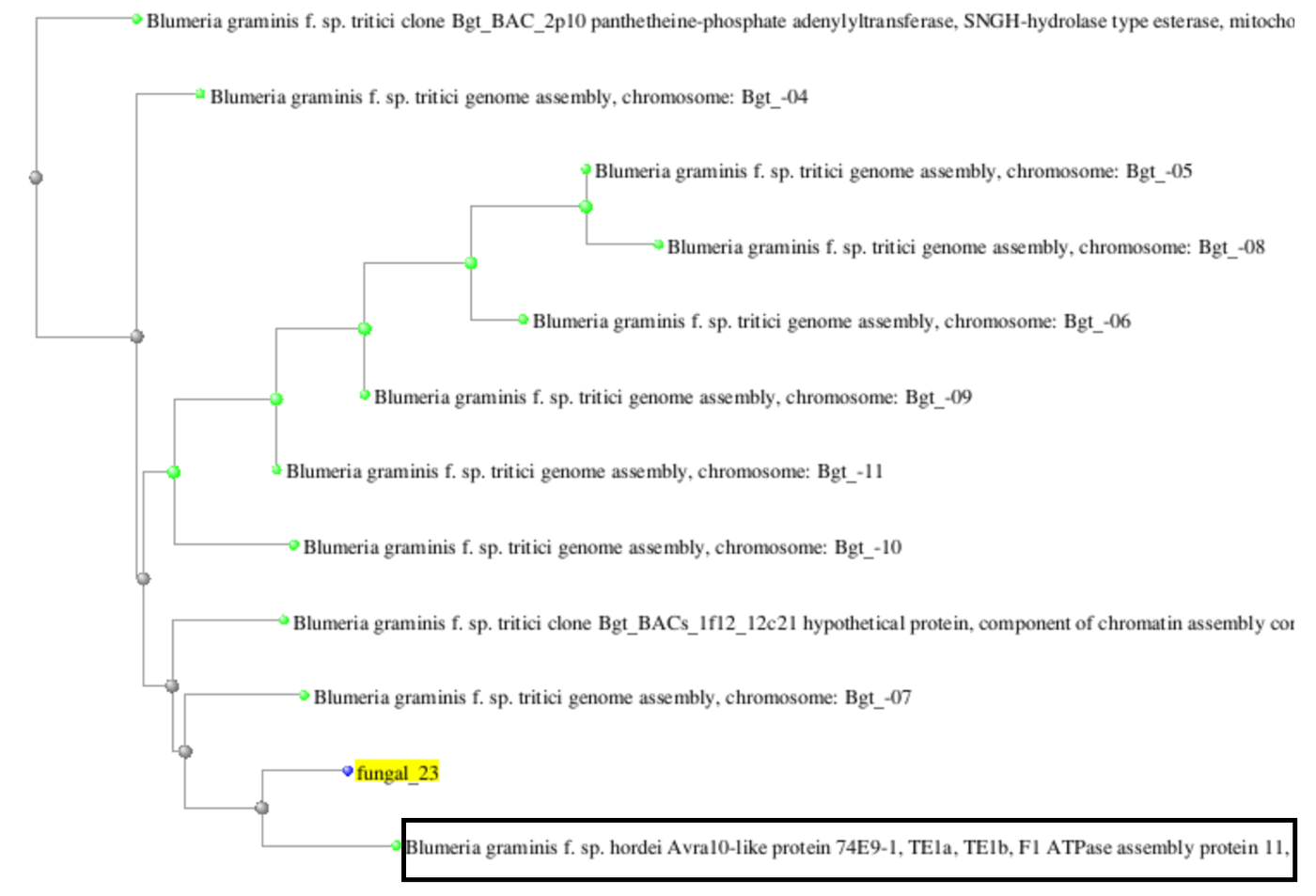
Identifying a 13.8 kbp unknown fungal sequence, showing that its closest BLAST match was an artefact of unmasked repeats, and combining two gene predictors with BLASTx evidence into a putative gene model.
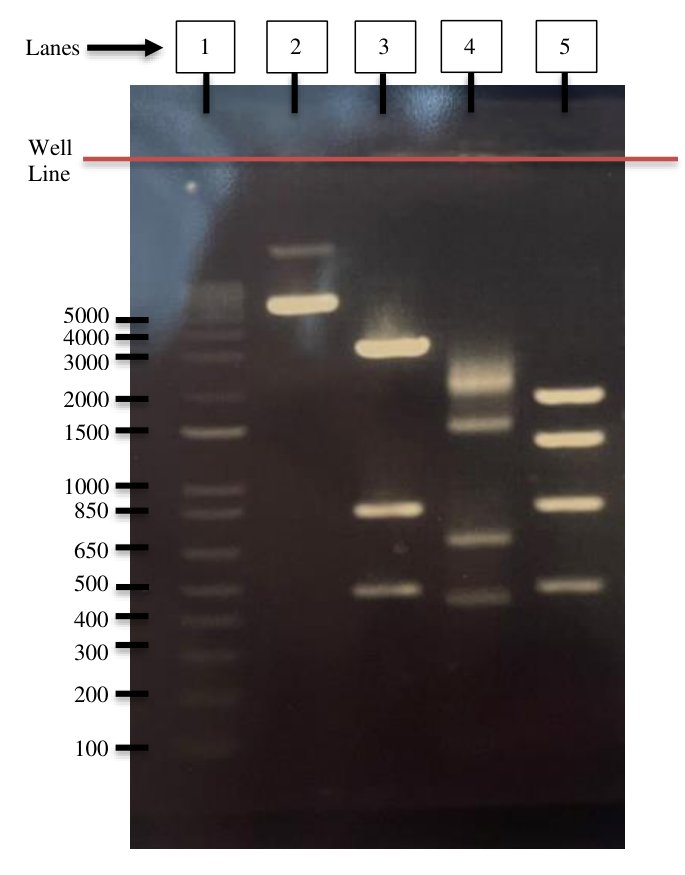
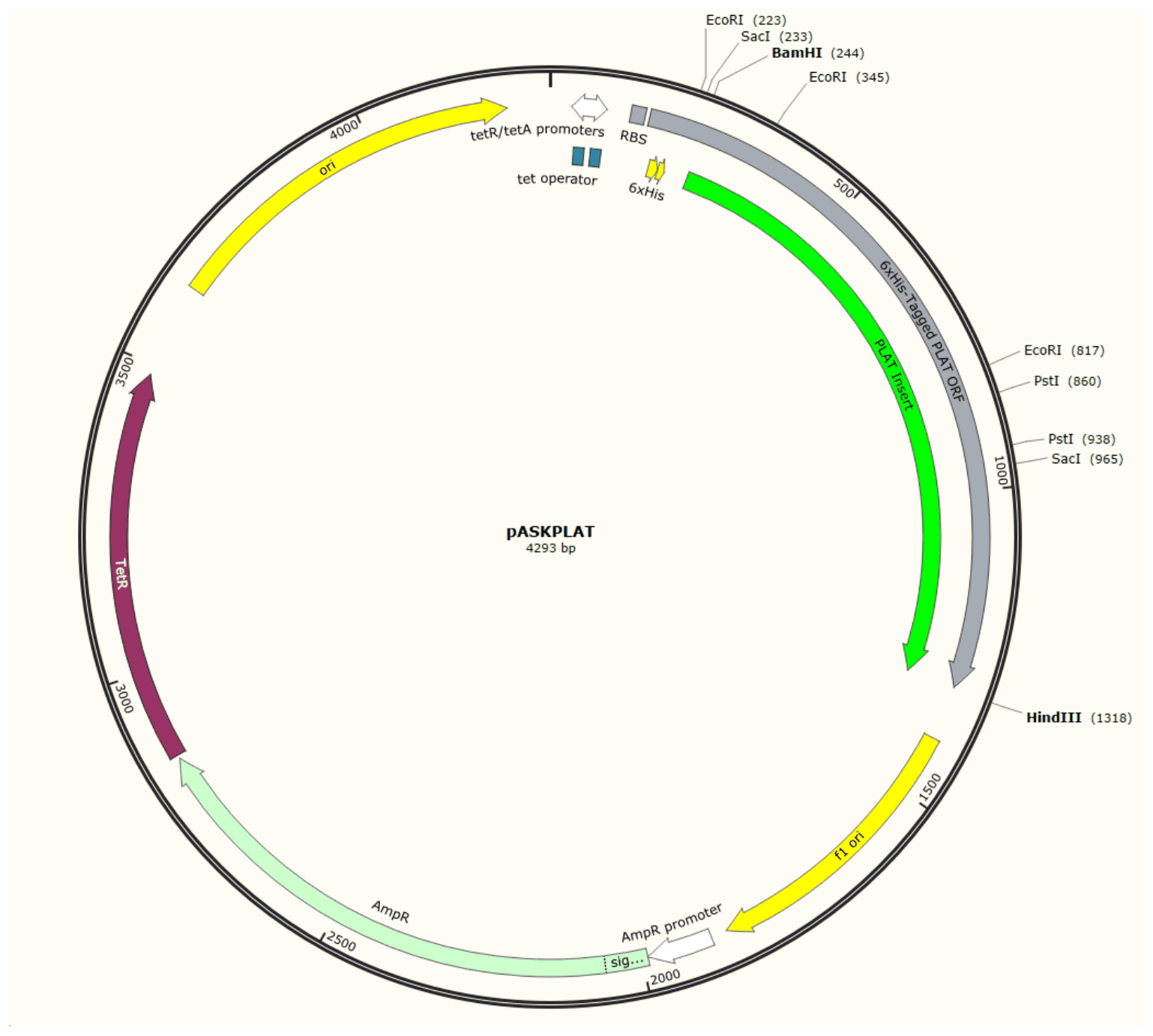
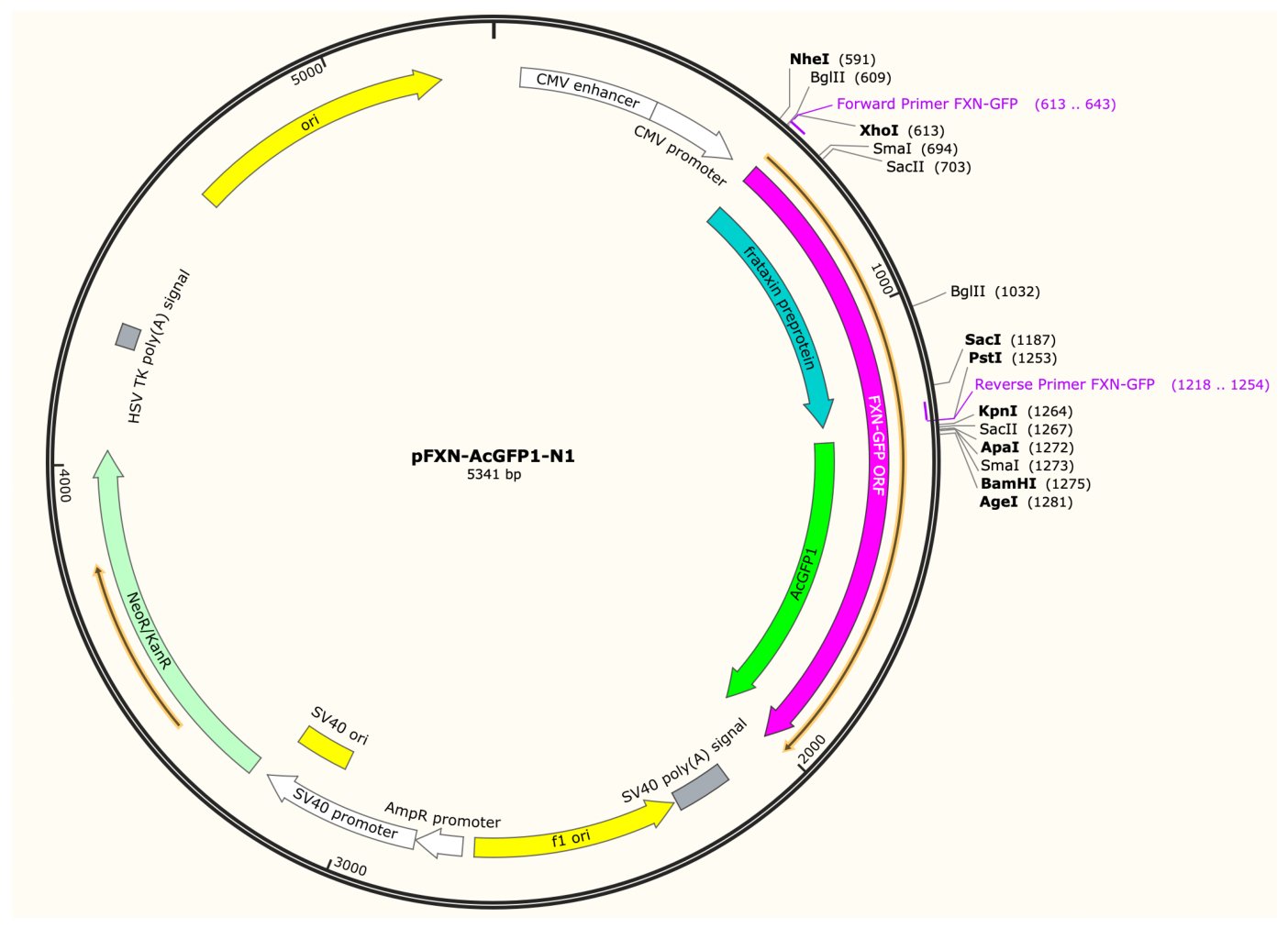
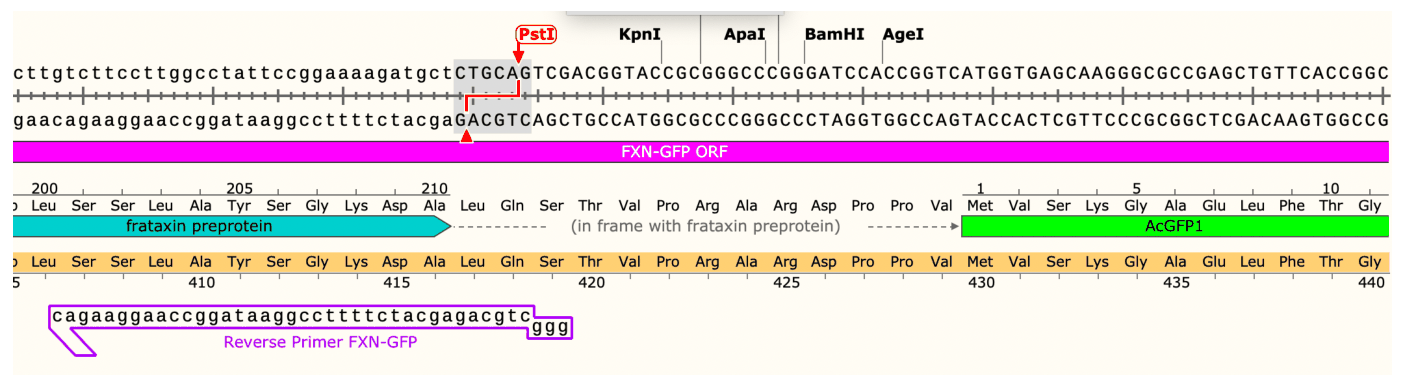
Designing a vector to express human frataxin with a C-terminal GFP fusion: primers, an enzyme pair that does not cut the gene, and a construct verified in frame at both junctions.